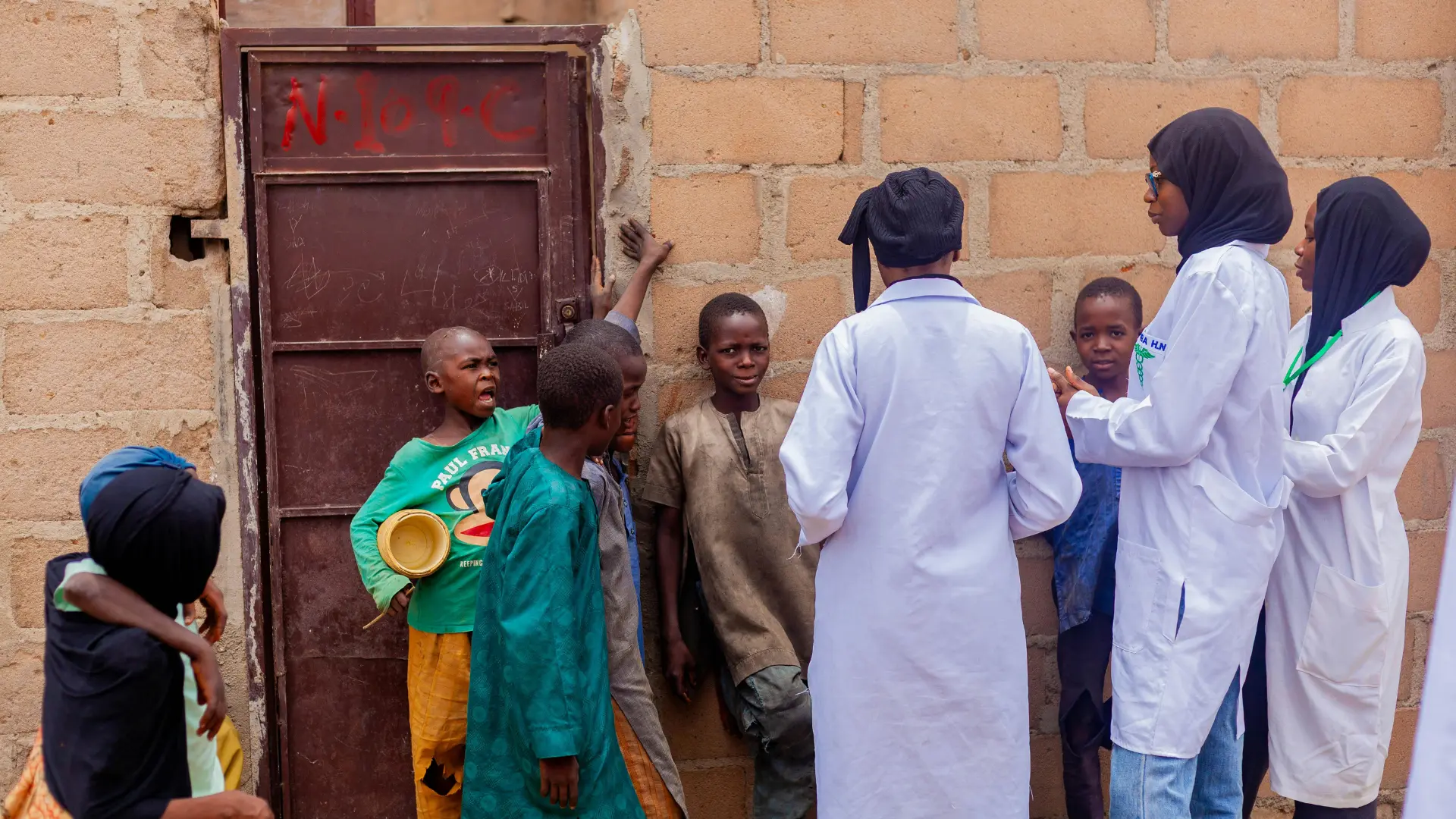
By 7am the queue already stretched past the church gate — mothers with toddlers, elderly men with folded referral papers from years ago, young people pretending they were just passing. Our latest community health outreach served more than 600 residents over two days, and it taught us as much as it treated.
What a Community Health Outreach Actually Involves
The CitiTap Foundation model is deliberately practical: free general consultations, blood pressure and blood sugar screening, malaria testing, deworming for children, and health education sessions that treat adults like adults. Critically, everyone who needed further care left with a documented referral to a partner facility — an outreach without referral pathways is a photograph, not a programme.
The Numbers from This Edition
- 600+ residents attended across two days
- Over 200 blood pressure screenings — hypertension remains the quiet epidemic
- A documented referral to a partner facility for every case that needed follow-up care
- Two mental health awareness sessions, standing room only
Why Screenings Matter More Than They Sound
The WHO reports that a large share of adults with hypertension in Africa are undiagnosed (WHO). A five-minute cuff reading, repeated at scale, genuinely saves lives — less dramatic than surgery, considerably more efficient.
The Part We Did Not Plan For
The mental health sessions were meant to be a side offering. They filled beyond capacity both days. The stigma is loosening, and the need is real — our next outreach will double that capacity and strengthen clinical referral options.
Powered by the Whole Group
Logistics moved the equipment, volunteers came from every division, and planning ran on the same project discipline we sell commercially. Doing good, it turns out, also benefits from a Gantt chart.
Community health outreach works when it is consistent, measured and connected to real care. Want to fund, volunteer at or co-host the next one? Reach out to the Foundation — there is room at the table.